


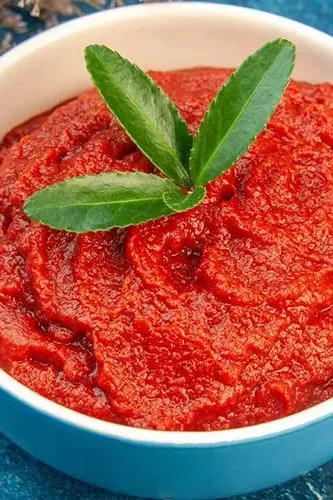
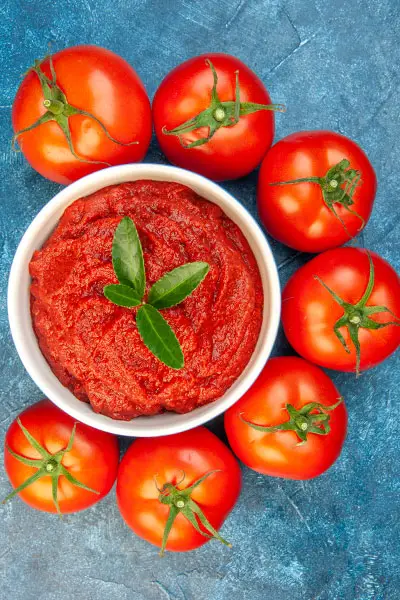
WHAT IS TOMATO PASTE?
Tomato paste is on of Royal Foods's base products as a manufacturer in IRAN. It's a food product that as a tomato extract contains a large amount of the mentioned properties of tomato, which is used as a condiment in most foods and is a unique flavoring and coloring. In the not-so-distant past, everyone used to cook their paste traditionally at home.
Tomato paste is one of the most widely used food condiments among Iranians, which is used in various foods fried or cooked. In the past, people used to cook the tomato paste for their annual consumption at home.
But today, like all other areas of life, technology has come to the aid of human beings to make tomato paste in the healthiest conditions, the highest packaging, and finally the quality easily available to everyone.
Currently, most people use industrial tomato paste. This product goes through various stages from the farm to the store. For some people, it is interesting to know how to prepare tomato paste in the factory.









ASEPTIC TOMATO PASTE
Aseptic actually means disinfection, but in the industry it is also referred to as product packaging. Aseptic increases the stability of a product. The aseptic process is referred to as the process in which the packaged product does not need to be refrigerated. This process is used as a suitable substitute for freezing foods such as tomato paste, milk, yogurt, eggs, and so on.
Aseptic blue barrels weighing 230 kg are one type of tomato paste packaging. After the production, tomato paste is filled in completely hygienic and sterilized nylons and placed in these barrels. The barrel caps will be sealed and then ready to be loaded for export.


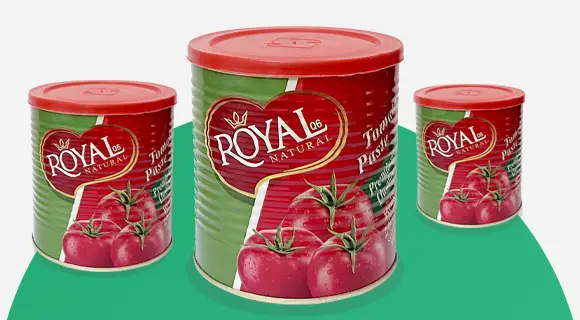
CANNED TOMATO PASTE
CANNED TOMATO PASTE are one of the methods of preparing and storing tomatoes for all seasons. You can easily prepare canned tomatoes at home and be sure that if the ventilation is done properly, it will be used for all kinds of stews. Even when traveling you can also take canned tomato paste with you. This can be easily stored outside the refrigerator and in cabinets. You can use canned tomatoes for dishes such as lasagna, macaroni, spaghetti, etc. However, if you open the lid of the can, you must be sure to consume it quickly so that it does not mold and spoil because it does not contain preservatives.


WHICH TOMATOES ARE GOOD FOR TOMATO PASTE?
Paste tomatoes are known by a variety of names, such as paste, Roma, plum, and sauce. Each one is unique regarding shape and size, but they all deliver the same thing: juicy flesh with thick walls and small seed sacs, ensuring that each tomato provides a wealth of gastronomic deliciousness.
There are two types of tomatoes in the market; both local and greenhouse tomatoes can be used, each with advantages and disadvantages.
Tomato Paste Processing
Receiving area
Sorting table



Chooper

P.D Pump
Cold break pre-heater
Hot breack
Juice Extractor
Evaporataor
Aseptic filler
TOMATO PASTE PRODUCTION PROCEDURE
Selection of Fresh Tomatoes
The first step in aseptic tomato paste production is the careful selection of fresh and ripe tomatoes. Only the best quality tomatoes with ideal characteristics, such as high solids content and low moisture, should be chosen. This ensures that the final product will have a rich flavor and a thick consistency.
Sorting and Washing
After selection, the tomatoes undergo sorting to remove any damaged or blemished fruits. Next, they are thoroughly washed to eliminate dirt, debris, and surface contaminants. Proper washing is essential to maintain hygiene and prevent any potential spoilage microorganisms from contaminating the final product.
Crushing and Refining
Once cleaned, the tomatoes are crushed to a pulp to break down their cellular structure and release their juices. The pulp is then refined to remove any remaining seeds and skin, resulting in a smooth and uniform texture.
Preheating
The tomato pulp is preheated to an optimal temperature to inactivate enzymes and ensure microbial safety. This step is crucial to preserve the natural color, flavor, and nutritional properties of the tomatoes.
Aseptic Sterilization
The preheated tomato pulp is transferred to an aseptic sterilization system. Aseptic processing involves subjecting the pulp to a combination of high temperature and short time (HTST) treatment, which kills harmful microorganisms while retaining the essential nutrients and taste of the tomatoes.
Packaging
After sterilization, the aseptic tomato paste is filled into sterile containers, such as metal or plastic pouches or cartons. These packaging materials prevent any recontamination and maintain the aseptic integrity of the product.
Sealing and Cooling
The filled containers are sealed hermetically to prevent any air or contaminants from entering. Subsequently, the sealed packages are rapidly cooled to ambient temperature, ensuring the product's stability and safety.
Quality Control
Throughout the entire production process, rigorous quality control checks are performed to monitor various parameters, including taste, color, consistency, and microbial content. This ensures that the aseptic tomato paste meets all safety and quality standards before it reaches the market.
Health benefits of tomatoes
Skin and hair
good for skin and hair
Fats
Helps burn your fats
Bones
Good for your bones
Blood
Controls blood sugar
Tomato paste is a thick, rich, concentrated tomato product used as a base for various dishes. It's made by cooking tomatoes for several hours to reduce their moisture content, straining out the seeds and skins, and cooking the liquid again to reduce it to a thick, rich concentrate. Here are some key points about tomato paste:
Uses
- Sauces: Essential for pasta sauces, pizza sauce, and marinades.
- Soups and Stews: Adds depth and richness to broths and stews.
- Condiments: Base for ketchup and barbecue sauce.
- Flavor Enhancer: Intensifies the flavor in various recipes, from chili to casseroles.
Nutritional Information
- Low in Calories: Typically, a tablespoon has about 13 calories.
- Rich in Nutrients: Good source of vitamins A and C, and antioxidants like lycopene.
Storage
- Unopened: Keep in a cool, dry place.
- Opened: Store in the refrigerator, often best used within a week. Can also be frozen in portions for longer storage.
Substitutes
- Tomato Sauce or Puree: Can be used, though less concentrated; may need to use more to achieve the desired flavor.
- Fresh Tomatoes: Cook down and blend to create a paste-like consistency.
Making tomato paste from fresh tomatoes involves a process of cooking down the tomatoes to concentrate their flavor and reduce their water content. Here's a step-by-step guide to making tomato paste at home:
Ingredients
- Fresh tomatoes (Roma or plum tomatoes are ideal)
- Salt (optional)
Equipment
- Knife
- Cutting board
- Large pot
- Strainer or food mill
- Baking sheet
- Blender or food processor (optional)
- Storage containers (jars or freezer-safe containers)
Instructions
Prepare the Tomatoes:
- Wash the tomatoes thoroughly.
- Cut the tomatoes into quarters or halves, depending on their size.
- Remove any stems, cores, and blemishes.
Cook the Tomatoes:
- Place the tomatoes in a large pot.
- Cook over medium heat, stirring occasionally, until the tomatoes break down and release their juices (about 10-15 minutes).
Strain the Tomatoes:
- Use a strainer, food mill, or sieve to remove the skins and seeds. You can also use a blender or food processor to puree the mixture and then strain it through a fine mesh sieve.
Reduce the Tomato Puree:
- Return the strained tomato puree to the pot.
- Simmer over low heat, stirring occasionally, until the mixture has reduced by about half. This can take 1-2 hours depending on the amount of liquid.
Concentrate the Paste:
- Preheat your oven to 250°F (120°C).
- Spread the reduced tomato mixture evenly onto a baking sheet.
- Place the baking sheet in the oven and cook for several hours (4-6 hours), stirring occasionally, until the tomato mixture becomes thick and paste-like.
Store the Tomato Paste:
- Let the tomato paste cool.
- Transfer it to sterilized jars or freezer-safe containers.
- Store in the refrigerator for up to a week or freeze for longer storage.
Tips
- Flavor: For additional flavor, you can add a pinch of salt or a splash of olive oil during the cooking process.
- Portioning: If freezing, consider portioning the tomato paste into tablespoon-sized amounts using an ice cube tray. Once frozen, transfer the cubes to a freezer bag.
Homemade tomato paste is a rich and flavorful addition to your pantry, perfect for enhancing the taste of various dishes.
Tomato puree is a smooth, thick liquid made from cooked and strained tomatoes. It's less concentrated than tomato paste but thicker than tomato sauce, making it a versatile ingredient in many recipes. Here's a guide on how to make tomato puree from fresh tomatoes and some of its common uses:
Ingredients
- Fresh tomatoes (Roma or plum tomatoes are ideal)
- Salt (optional)
Equipment
- Knife
- Cutting board
- Large pot
- Blender or food processor
- Strainer or fine mesh sieve
- Storage containers (jars or freezer-safe containers)
Instructions
Prepare the Tomatoes:
- Wash the tomatoes thoroughly.
- Remove the stems and cores.
- Cut the tomatoes into quarters.
Blanch the Tomatoes (optional but helps in removing the skins):
- Bring a large pot of water to a boil.
- Prepare a bowl of ice water.
- Add the tomato quarters to the boiling water for about 30-60 seconds, until the skins start to peel back.
- Use a slotted spoon to transfer the tomatoes to the ice water to cool.
- Peel off the skins once the tomatoes are cool enough to handle.
Cook the Tomatoes:
- Place the peeled tomatoes in a large pot.
- Cook over medium heat, stirring occasionally, until the tomatoes break down and release their juices (about 10-15 minutes).
Blend the Tomatoes:
- Use a blender or food processor to puree the cooked tomatoes until smooth.
- For an extra smooth puree, you can strain the mixture through a fine mesh sieve to remove any remaining seeds and bits of skin.
Store the Tomato Puree:
- Let the tomato puree cool.
- Transfer it to sterilized jars or freezer-safe containers.
- Store in the refrigerator for up to a week or freeze for longer storage.
Uses
- Sauces: Base for pasta sauce, pizza sauce, and marinades.
- Soups and Stews: Adds body and flavor to soups and stews.
- Casseroles and Bakes: Used in dishes like lasagna and casseroles.
- Condiments: Can be used to make homemade ketchup or barbecue sauce.
Tips
- Seasoning: You can add a pinch of salt or other seasonings to the puree if desired.
- Portioning: If freezing, consider portioning the tomato puree into smaller amounts for easy use in recipes.
Tomato puree is a handy ingredient to have on hand for enhancing the flavor and texture of a wide variety of dishes.
Canned tomato paste is a highly concentrated tomato product made by cooking tomatoes down to a thick paste. It's a staple in many kitchens because of its intense flavor and versatility. Here's a guide to using and storing canned tomato paste, along with some tips and recipes:
Using Canned Tomato Paste
Common Uses
- Enhance Flavor: Adds depth and richness to sauces, soups, and stews.
- Thicken: Used to thicken sauces and gravies.
- Base Ingredient: Essential for making tomato sauces for pasta, pizza, and more.
- Condiments: Can be the base for homemade ketchup or barbecue sauce.
- Marinades and Rubs: Adds robust flavor to meat marinades and rubs.
Cooking Tips
- Sautéing: For enhanced flavor, sauté tomato paste in a bit of oil before adding other ingredients. This caramelizes the sugars and deepens the flavor.
- Diluting: If a recipe calls for tomato sauce and you only have paste, you can dilute the paste with water. A good ratio is 1 part tomato paste to 2 parts water.
Storing Canned Tomato Paste
Unopened
- Shelf Life: Canned tomato paste can last for up to 2 years if stored in a cool, dry place.
Opened
- Refrigerator: Transfer leftover tomato paste to an airtight container or cover the can tightly with plastic wrap. Use within 1 week.
- Freezer: Portion the tomato paste into tablespoon-sized dollops on a baking sheet and freeze. Once frozen, transfer the portions to a freezer bag or container. This way, you can use just the amount you need without thawing the whole batch. Frozen tomato paste can last for up to 3 months.
Recipes Using Tomato Paste
Quick Tomato Sauce
Ingredients:
- 2 tablespoons olive oil
- 1 small onion, finely chopped
- 2 garlic cloves, minced
- 2 tablespoons tomato paste
- 1 can (15 oz) crushed tomatoes
- 1 teaspoon dried basil
- 1 teaspoon dried oregano
- Salt and pepper to taste
Instructions:
- Heat the olive oil in a saucepan over medium heat.
- Add the onion and garlic, and sauté until soft.
- Add the tomato paste and cook for 1-2 minutes, stirring constantly.
- Add the crushed tomatoes, basil, oregano, salt, and pepper.
- Simmer for 20 minutes, stirring occasionally.
Homemade Barbecue Sauce
Ingredients:
- 1 cup tomato paste
- 1/2 cup apple cider vinegar
- 1/4 cup honey or brown sugar
- 1/4 cup Worcestershire sauce
- 1 tablespoon smoked paprika
- 1 teaspoon garlic powder
- 1 teaspoon onion powder
- Salt and pepper to taste
Instructions:
- Combine all ingredients in a saucepan.
- Bring to a simmer over medium heat.
- Reduce heat to low and cook for 15-20 minutes, stirring occasionally.
- Adjust seasoning to taste.
Tips for Using Canned Tomato Paste
- Freeze Leftovers: To avoid waste, freeze leftover tomato paste in small portions.
- Add Depth: Use a spoonful of tomato paste to add depth to soups, stews, and even braises.
- Mix with Water: Mix tomato paste with water or broth to create a quick tomato sauce or soup base.
Tomato paste is an incredibly versatile ingredient that can enhance a wide range of dishes with its rich, concentrated flavor.
Using Double Concentrated Tomato Paste
Common Uses
- Flavor Enhancer: Adds deep, robust flavor to sauces, soups, stews, and braises.
- Thickening Agent: Ideal for thickening sauces, gravies, and other dishes without adding too much liquid.
- Base Ingredient: Essential for creating rich tomato-based sauces for pasta, pizza, and more.
- Condiments: Can be used to make concentrated versions of ketchup, barbecue sauce, and other condiments.
Cooking Tips
- Sautéing: Similar to regular tomato paste, sautéing double concentrated tomato paste in a bit of oil can caramelize the sugars and intensify the flavor.
- Diluting: Since it's more concentrated, you may need to use less or dilute it with water or broth. A good starting point is using half the amount of double concentrated paste compared to regular paste and adjusting to taste.
The best tomato paste often depends on personal preference and the specific dish you're making. However, some popular brands known for their quality include Mutti, Cento, Amore, and Carmelina Brands. These brands are often praised for their rich flavor, smooth texture, and concentrated tomato taste. It's also a good idea to check the ingredients list to ensure it meets your dietary preferences and culinary needs.
Tomato concentrate is essentially another term for tomato paste. It's a thick, rich product made by cooking tomatoes for several hours to reduce moisture, resulting in a concentrated form of tomato flavor. Tomato concentrate or paste is widely used in cooking to add depth and richness to sauces, soups, stews, and other dishes. It's known for its intense tomato flavor and is a convenient pantry staple for enhancing various recipes.
Making tomato paste at home can be a rewarding process, though it does require some time and effort. Here’s a basic outline of how you can make tomato paste:
Select and Prepare Tomatoes: Choose ripe, flavorful tomatoes. Roma tomatoes are often preferred for making paste due to their meatiness and lower water content. Wash them thoroughly and remove any stems.
Blanch and Peel: Bring a large pot of water to a boil. Score the bottoms of the tomatoes with an "X" and carefully place them in the boiling water for about 30 seconds to 1 minute, until the skins start to peel away. Remove them and immediately transfer to a bowl of ice water to stop the cooking process. Peel off the skins.
Remove Seeds and Chop: Cut the tomatoes in half and gently squeeze out the seeds and excess liquid. Chop the tomatoes roughly.
Cook Down the Tomatoes: In a large, heavy-bottomed pot, cook the chopped tomatoes over medium-low heat, stirring occasionally to prevent sticking. As the tomatoes cook down, mash them with a spoon or potato masher to release more juices.
Reduce to Paste: Continue cooking the tomatoes, stirring frequently, until they have reduced significantly and become thick and concentrated. This process can take several hours, depending on the quantity of tomatoes and desired thickness.
Seasoning (Optional): You can add salt and other seasonings like garlic, herbs (like basil or oregano), and a pinch of sugar to enhance the flavor. Adjust seasoning to taste.
Store or Use: Once the tomato paste reaches your desired consistency (thick and spreadable), let it cool completely. Store in sterilized jars or containers in the refrigerator for up to a week or freeze in small portions for longer storage.
Homemade tomato paste will have a fresher taste compared to store-bought versions and allows you to control the ingredients and thickness according to your preferences.
Iran Tomato Paste
A Taste of Rich Heritage and Culinary Excellence
Iran is renowned for producing some of the world’s finest tomato paste, cherished for its exceptional quality, rich flavor, and deep cultural significance. With a long history of tomato cultivation and a commitment to traditional production methods, Iranian tomato paste has become a symbol of culinary excellence and a staple in kitchens worldwide. The key to Iran’s esteemed tomato paste lies in its meticulous production process, which combines the finest locally grown tomatoes with time-honored techniques. The country’s favorable climate and fertile soil provide an ideal environment for growing flavorful tomatoes, notably the prized Roma and San Marzano varieties, known for their robustness and taste.