

Tomato Paste Packages


Over the years, tomato paste packages has evolved significantly, not only bringing greater convenience but also extending shelf life and reducing waste for consumers. Today, tomato paste is available in a wide variety of containers, including cans, jars, tins, and aseptic drums. Furthermore, sachets are offered in multiple sizes, catering to diverse needs—whether for household use, food service, or industrial applications. The pastes themselves are no different in terms of production method and nutritional content. In fact, the packages each have their own advantages and disadvantages, meaning the best choice depends on specific needs and applications.
Tomato Paste Packages: Types, Functions, and Industry Standards
The quality and shelf life of tomato paste depends heavily on the type of packaging used. In the industrial food sector, tomato paste packaging must protect the product from environmental contamination, maintain its organoleptic properties, and comply with regulatory standards. Let's take a look at the types of packaging for this product:
1. Aseptic Packaging
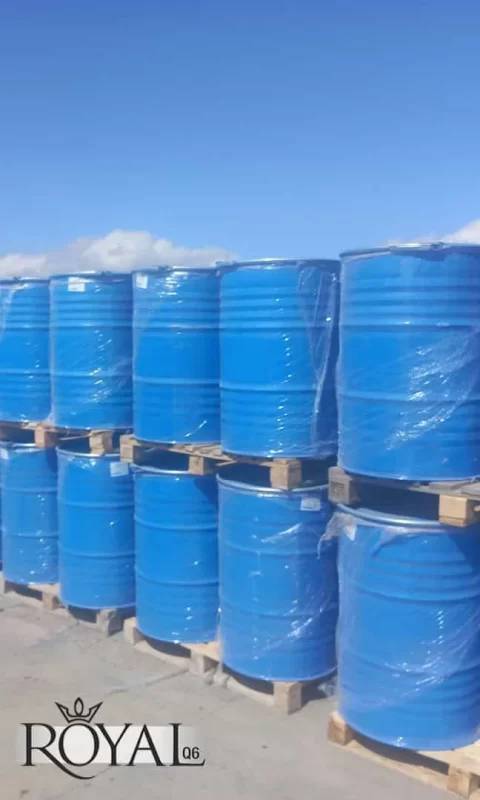
This packaging is ideal for large-scale tomato paste consumers such as food processing plants and sauce and soup manufacturers. It is mainly used for bulk storage and transportation of tomato paste in B2B sectors.
Specifications:
The packaging process utilizes sterile multilayer plastic bags (5-1000L) with aluminum-based barriers, which machines then load into barrels or boxes. Operators apply aseptic filling methods including steam sterilization and vacuum sealing during production.
The shelf life of the product with this type of packaging is between 12 and 24 months at room temperature.
Advantages:
- Long shelf life without preservatives.
- Maintaining the original color, flavor and consistency of the product.
- Very suitable and efficient for export and large-scale use
Typical Sizes:
- 5 kg – 20 kg: Often used in food service or intermediate processing.
- 220 kg – 250 kg: Standard drum size for industrial bulk use.
- 1000 kg (IBC containers): High-capacity option for multinational factories.
2. Metal Cans
For decades, tomato paste was primarily produced and sold in small metal cans. Years later, the product remains popular in both the retail and food service sectors. Metal cans are among the most versatile and widely used packages solutions for tomato paste, ranging from household to bulk sizes. It’s Best for Batch cooking, food service, or those who use tomato paste frequently.
Specifications:
The can is made of tin-plated steel, often with a BPA-free lacquer coating. It is sealed with a double seam and vacuum seal. Manufacturers also use a hot-fill method with reheating to sterilize the product.
Advantages:
- Durable, tamper-proof and recyclable.
- Suitable for high-pressure heat processing and sterilization.
- Applicable to a variety of different global markets
- Sturdy and stackable packaging for long-term storage.
Common Sizes:
- 70g – Small, Retail (single/few servings), Ideal for single recipes.
- 156g– Medium size, good for 2-3 dishes.
- 198g– Slightly larger, common in North America.
- 400g, 800 g – Large Size, Family size, retail shelves, restaurants or for meal prepping.

3. Doypack (Stand-Up Pouch)
Flexible and user-friendly, doypacks are becoming more common in modern retail packaging. This type of packaging has gained popularity in retail markets due to its user-friendliness and attractive design.
Specifications:
This advanced packaging consists of high-barrier multilayer plastic (PET/PE or PET/ALU/PE), available in standard, zip-lock, and slotted designs. Using hot-fill technology with nitrogen flushing, we ensure longer shelf life and premium freshness.
Advantages:
- Lightweight, space-efficient, and cost-effective.
- Attractive shelf presence.
- Lower carbon footprint than cans.
Common Sizes:
- 70–100 g: Single-use portions
- 200–300 g: Small family use
- 500–700 g: Medium household packages
- 1 kg: Large family / catering

4. Glass Jars
Since this type of packaging shows off the color and texture of the product well, it is often used for retail packages of premium or organic tomato paste. It is made of tempered glass with a metal screw cap. The filling process is hot filling or vacuum sealing.
Advantages:
- Perceived as healthy, natural, and eco-friendly.
- Transparent – consumers can see product quality.
- Reusable and recyclable.
Common Sizes:
- 250 g: Gourmet, retail
- 350 g: Family use
- 470–500 g: Standard jar
- 680–700 g: Large jar, frequent use

5. Sachets and Pillow Pouches
Small, pre-measured packets (often 1-2 tablespoons) are popular in food service and home cooking. These are low-cost, single-serving packages used in fast food restaurants, mass catering, and airlines. Because they are lightweight, compact, and easy to use, they are also very useful for camping and traveling.
Specifications:
Vertical form-fill-seal technology is used for this type of packaging. It is made of laminated protective films.
Advantages:
- Perfect portion control.
- Minimal waste.
- Economical for mass distribution.
- No need to measure – perfect for recipes requiring small amounts.
- Extended shelf life without refrigeration (until opened).
- Ideal for camping, travel, or quick meals.
Common Sizes:
- 15g– Perfect for small recipes, Airlines, cafeterias, fast food
- 30g– Common in food service, Takeaway meals, outdoor kits
- 50g– Larger, Single-use option, Camping, quick-service restaurants

6. Squeeze Bottles
Some brands now offer tomato paste in plastic squeeze bottles with flip-top lids, making dispensing even easier. Less common but growing in popularity for convenience.
Advantages:
- Easy dispensing, no need for spoons or scraping cans.
- Resealable – Tubes can be tightly closed after use, keeping the paste fresh for weeks.
- Portion Control – Users can squeeze out only the amount needed, reducing waste.
- Easy Storage – Tubes take up less space in the fridge compared to cans.
Common Sizes:
- 250g – Medium-sized squeeze bottle.
- 500g – Larger size for frequent use.

Choosing the Right Packages of Tomato Paste
Each type of tomato paste packaging is designed to serve a specific market segment.
For example, bulk packaging such as aseptic drums is ideal for industrial use, while cans and jars of jam meet the needs of food service and retail. Additionally, more flexible solutions such as plastic bags and pouches are gaining popularity due to their convenience, cost-effectiveness, and environmental friendliness.
With these points in mind, the choice of tomato paste packaging depends on factors such as the target market, scale of distribution, shelf-ife requirements, and cost considerations. For instance:
- Frequent cooks who want the convenience of fresh product while still being able to use it may prefer tubes due to their resealable nature.
- Infrequent users may choose single-serving packages to avoid waste.
- Environmentally conscious shoppers should look for recyclable or biodegradable options.
- Those looking to save money may prefer cans.
- For professional use in large quantities, bulk packages are also very practical and economical.
Conclusion
Tomato paste packaging has evolved over the years to meet consumer needs. So the next time you buy tomato paste, consider how different types of packaging can enhance your cooking experience while reducing waste.
At Royal Food, we pride ourselves on producing high-quality tomato paste in convenient, innovative packaging for any kitchen. Our range of products ensures freshness, portion control and sustainability, while delivering the rich, concentrated flavor that chefs and families trust.